
Can Dirty Air Conditioner Filter Cause It Not To Work?
Introduction
Yes, a dirty air conditioner filter can cause your AC not to work properly. When the filter gets clogged with dust, pet hair, pollen, and debris, it blocks airflow through the system. That can make your AC blow weak air, stop cooling well, freeze up, short cycle, overheat, or even shut down in some cases. The good news is that a dirty filter is one of the easiest AC problems to check first. In this guide, we’ll explain how a dirty air filter affects your AC, what signs to look for, what you can safely do yourself, and when it is time to call an HVAC technician.
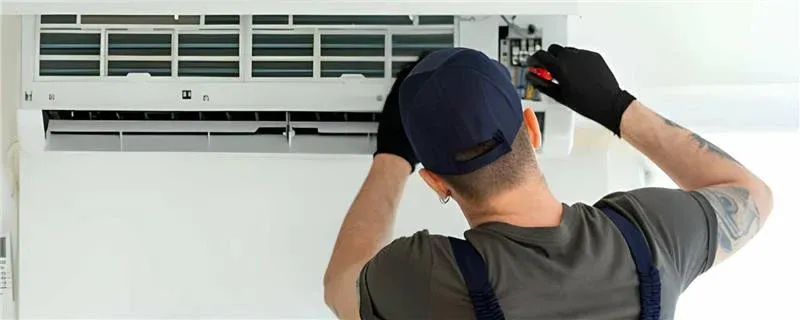
Can a Dirty Air Filter Really Stop Your AC From Working?
A dirty air filter may seem like a small issue, but it can create several problems that affect how well your AC performs. Here are some of the ways a clogged filter can interfere with normal operation:
The Short Answer: Yes, But It Depends on How Clogged the Filter Is
Yes, a dirty air filter can affect how well your AC works. If the filter is only slightly dusty, your system may still run, but airflow can weaken and your home may take longer to cool.
If the filter becomes heavily clogged, your AC may run longer, blow less cool air, freeze up, or even stop working properly because it cannot move enough air through the system.
Why Your AC Needs Steady Airflow to Cool Properly
Your AC does not simply create cold air. It removes heat from the air inside your home. To do this, warm indoor air must move across the evaporator coil so the refrigerant can absorb the heat.
When a dirty air filter blocks airflow, the system cannot pull in enough warm air. This makes it harder for the evaporator coil to work properly. As a result, your AC may struggle to cool your home, run longer, or start having bigger performance problems.
What Happens When Your AC Filter Gets Too Dirty?
These are some of the common problems that can happen when your AC filter becomes too dirty and starts restricting airflow through the system.
Airflow Becomes Restricted
A dirty AC filter can block the air moving through your system. Think of it like a screen covered in dust. Air can still try to pass through, but it cannot move freely.
When this happens, you may notice weak airflow coming from the vents. Some rooms may feel cooler than others, and rooms farther from the air handler may get even less air.
Your AC Has to Work Harder Than Normal
When the filter blocks airflow, your AC has to work harder to cool your home. It may run longer because it struggles to reach the temperature you set on the thermostat.
This extra work can put stress on important parts of the system, including the blower motor and compressor. Over time, this can lead to higher energy bills, more wear, and a greater chance of repairs.
The Evaporator Coil Can Get Too Cold and Freeze
Your evaporator coil needs warm indoor air moving across it to work properly. When a clogged filter blocks that airflow, the coil can become too cold.
Moisture on the coil can then freeze and turn into ice. Once ice starts building up, airflow becomes even weaker. Your AC may cool poorly, run longer, or stop cooling until the ice melts and the airflow problem gets fixed.
Your Home May Feel Warm Even When the AC Is Running
A dirty air filter can make your AC run without cooling your home the way it should. You may hear the system running, see the outdoor unit working, and feel air coming from the vents, but the house may still feel warm or humid.
This happens because the system cannot move enough air through the filter, coil, and ductwork. As a result, your AC may not remove heat and humidity from your home properly.
The System Can Overheat or Shut Off for Protection
In some cases, a very dirty filter can cause the system to shut down. Many AC systems have safety controls that help protect the equipment when something is wrong.
If the blower motor works too hard, the system overheats, or the airflow drops too much, the AC may stop running to prevent damage. This is one reason a simple filter problem can sometimes feel like a major AC breakdown.
Signs Your Dirty Air Filter Is Causing AC Problems
If you’re not sure whether a clogged filter is affecting your system, the following table highlights some of the most common warning signs and what they may indicate.
Dirty Air Filter AC Symptom Checklist
| Symptom | What It May Mean | What to Check First |
|---|---|---|
| Weak airflow from vents | Filter may be blocking airflow | Check and replace the filter |
| AC running but not cooling | Air may not be moving across the coil properly | Check filter, thermostat, and vents |
| Ice on AC lines or coil | Restricted airflow may have frozen the coil | Turn AC off and inspect filter |
| AC turns on and off quickly | System may be overheating or struggling | Replace filter and monitor system |
| Higher energy bill | AC may be working harder than normal | Check filter and schedule maintenance |
| More dust in the home | Filter may be clogged or not fitting right | Check filter size and condition |
What to Do If Your AC Stops Working Because of a Dirty Filter
If your AC stopped working or started cooling poorly because of a dirty air filter, do not panic. Start with a few simple checks before assuming you have a major AC problem or need AC Repair:
Step 1: Turn Off the AC If You See Ice or Very Weak Airflow
If you see ice on the refrigerant line, near the indoor coil, or around the outdoor unit connection, turn the cooling off. Do not keep running the AC while ice is present.
If your thermostat has a fan-only setting, you can turn the fan on to help move air through the system and thaw the ice. Give the system time to defrost before turning the cooling back on.
Step 2: Find the Air Filter
Next, locate the air filter. In many homes, the filter is inside the return air grille, inside the return duct, or close to the indoor air handler or furnace.
Some homes have more than one filter, so check all return areas if you are not sure. A missed filter can continue to block airflow even if you replace only one.
Step 3: Check If the Filter Is Dirty, Bent, Wet, or Clogged
Pull the filter out and take a close look at it. If it is covered with dust, pet hair, or dirt, it likely needs to be replaced.
A simple way to check is to hold the filter up to the light. If very little light passes through, the filter is too dirty. You should also replace the filter if it looks bent, wet, damaged, or clogged with debris.
Step 4: Replace the Filter With the Right Size
Use the same filter size printed on the old filter frame. Common sizes include 16x20x1, 20x20x1, and 20x25x1.
The right size matters. A filter that is too small can let dust slip around the edges and enter the system. A filter that is too large may not fit correctly or seal the filter slot the right way.
Step 5: Make Sure the Airflow Arrow Points the Right Way
Most air filters have an arrow printed on the side. This arrow shows the direction of airflow.
The arrow should point toward the air handler or furnace, not back toward the return grille. Installing the filter the right way helps air move through it properly and helps the system work as designed.
Step 6: Turn the AC Back On and Watch How It Runs
After replacing the filter, turn the AC back on and give it some time to run. Check the airflow coming from the vents and listen for any unusual sounds.
If the airflow improves and the air feels cooler, the dirty filter may have been the main issue. If the AC still does not cool, keeps freezing, or shuts off again, there may be another problem that needs professional service.
After replacing the filter, turn the AC back on and give it some time to run. Check the airflow coming from the vents and listen for any unusual sounds.
If the airflow improves and the air feels cooler, the dirty filter may have been the main issue. If the AC still does not cool, keeps freezing, or shuts off again, there may be another problem that needs professional service, including Emergency AC Repair if the system stops working when you need cooling right away.
Can You Run an Air Conditioner Without a Filter?
You should not run your air conditioner without a filter during normal use. It may seem harmless for a short time, but the filter plays an important role in protecting your AC system.
Why Running Without a Filter Can Damage the System
Your AC filter helps stop dust, dirt, pet hair, and other debris from entering the system. Without a filter, those particles can move into the indoor coil, blower wheel, and ductwork.
Over time, this buildup can reduce airflow, make the system work harder, and lower cooling performance. It can also make the evaporator coil dirty, which may lead to freezing, poor cooling, and more repair problems.
What to Do If You Do Not Have a Replacement Filter Yet
If you do not have a replacement filter, it is better to turn the AC off until you can get the correct size. This helps protect the system from pulling dust and debris into important parts.
If the indoor heat becomes a serious comfort issue, you may run the AC for a very short time, but do not make it a habit. Replace the filter as soon as possible with the right size and make sure the airflow arrow points in the correct direction.
How Often Should You Change Your AC Filter?
Changing your AC filter on time is one of the easiest ways to help your air conditioner work better. A clean filter helps air move through the system and keeps dust, pet hair, and debris from building up inside the unit.
General Filter Replacement Schedule
Most homes should check the AC filter once a month. In many cases, you should replace it every 30 to 90 days. The right timing depends on the type of filter you use, how often your AC runs, how dusty your home is, and whether you have indoor air quality concerns. If the filter looks dirty before the usual replacement date, change it sooner.
When to Change It More Often
Some homes clog AC filters faster than others. If your filter gets dirty quickly, do not wait for the full 90 days. A clogged filter can restrict airflow and make your AC work harder than it should.
Homes With Pets
If you have dogs or cats, your filter may collect pet hair and dander faster. During heavy AC use, homes with pets may need a new filter every month.
Changing the filter more often can help improve airflow and reduce the amount of pet-related debris moving through the system.
Heavy AC Use During Hot Weather
When your AC runs for many hours each day, more air passes through the filter. That means the filter catches more dust, dirt, and debris.
During hot weather, it is a good idea to check the filter more often. If it looks clogged or dark, replace it.
Dusty Homes or Recent Renovation Work
Dusty homes can clog filters quickly. Renovation work can make the problem even worse.
Drywall dust, sawdust, flooring dust, and construction debris can fill a filter fast. If you recently had remodeling, repairs, or flooring work done, check the filter often and replace it when it looks dirty.
Allergy or Indoor Air Quality Concerns
If someone in your home has allergies, a better filter may help catch more particles in the air. But the filter still needs to match your AC system.
A filter that is too restrictive can reduce airflow and cause cooling problems. If you want stronger filtration, ask an HVAC technician what filter type works best for your system.
Choosing the Right Air Filter for Your AC
Choosing the right air filter matters more than many homeowners realize. The wrong filter can affect airflow, cooling performance, indoor air quality, and the overall health of your AC system.
Check the Correct Filter Size
Always use the filter size your system needs. You can usually find the size printed on the side of the old filter frame.
A filter that does not fit properly can cause problems. If it is too small, dirty air can pass around the filter instead of going through it. If it is too large, it may not fit or seal the right way. A proper fit helps protect your AC and keeps airflow moving as it should.
Understand Basic MERV Ratings
MERV ratings show how well an air filter can capture particles like dust, pollen, pet dander, and other small debris.
A higher MERV rating can catch smaller particles, but that does not always mean it is the best choice for every AC system. Some systems cannot handle filters that are too dense because they can reduce airflow.
Avoid Filters That Are Too Restrictive for Your System
A filter that blocks too much airflow can cause the same type of problem as a dirty filter. Your AC may work harder, cool less, run longer, or even freeze up.
If you want to use a higher efficiency filter, ask an HVAC technician what your system can safely support. This helps you improve filtration without hurting airflow.
Use the Filter Type Recommended for Your HVAC Unit
The safest option is to use the filter type recommended for your HVAC unit. You can check the owner’s manual or ask a technician during routine maintenance.
The right filter helps protect your indoor coil, blower motor, ductwork, and other important parts. It also supports better comfort, steady airflow, and more efficient cooling.
How AC Maintenance Prevents Dirty Filter Problems
Regular AC maintenance can help prevent many problems that start with a dirty or clogged air filter. It keeps airflow moving, helps the system cool better, and gives a technician a chance to catch small issues before they turn into bigger repairs.
Filter Checks Help Protect Airflow
During routine maintenance, a technician can check the air filter and make sure air is moving through the system properly.
Good airflow is important because your AC needs steady air movement to cool your home. When the filter is dirty, the system has to work harder. Regular filter checks help reduce that strain and support better cooling.
Coil Cleaning Helps the AC Absorb Heat Properly
The evaporator coil needs to stay clean so it can absorb heat from the indoor air. If dirt has passed through an old or missing filter, it can collect on the coil and make cooling less effective.
Professional coil cleaning can help restore better heat transfer. This may improve cooling performance, airflow, and overall system efficien
Drain Line Checks Help Prevent System Shutoffs
A dirty filter can sometimes lead to a frozen evaporator coil. When that ice melts, extra water can move into the drain pan.
If the drain line is clogged, water may back up, leak near the indoor unit, or trigger a safety switch that shuts the system off. Maintenance helps keep the drain line clear and reduces the chance of water-related AC problems.
Professional Inspections Catch Problems Before They Grow
A professional AC inspection goes beyond the filter. A technician can check refrigerant levels, blower operation, electrical parts, thermostat performance, coils, drain lines, and overall system condition.
This helps find airflow problems, worn parts, and early warning signs before they become expensive repairs. Regular maintenance can help your AC run more reliably, especially during heavy cooling seasons.
When to Call an HVAC Technician for AC Filter Problems
Changing the air filter can fix some AC problems, but not every issue will go away with a new filter. If your system still struggles after you replace the filter, it may be time to call an HVAC technician.
Call If the AC Still Does Not Cool After Replacing the Filter
If you replace the dirty filter and your AC still does not cool your home, another part of the system may need attention.
The issue could be a dirty evaporator coil, low refrigerant, a bad capacitor, compressor trouble, ductwork problems, or a thermostat issue. A technician can inspect the system and find the real cause.
Call If the System Freezes Again
If your AC freezes again after you install a clean filter, do not ignore it. Repeated freezing usually means the system still has an airflow problem or a refrigerant issue.
Running the AC while it keeps freezing can put more stress on the system and may lead to more damage.
Call If the AC Keeps Turning On and Off
If your AC turns on and off too often, this is called short cycling. It can happen because of overheating, electrical problems, thermostat issues, low airflow, or other system faults.
A technician can test the equipment safely and figure out why the system is not completing a normal cooling cycle.
Call If Airflow Is Still Weak
If airflow stays weak after a filter change, the filter may not be the only problem. Weak airflow can come from a dirty blower wheel, blocked return vent, duct issue, closed damper, or failing blower motor.
A technician can check the airflow path and make sure air is moving through the system the right way.
Call If You Notice Electrical Smells, Water Leaks, or Strange Noises
Electrical smells, water leaks, buzzing, grinding, rattling, or other strange noises should be checked quickly. These signs can point to bigger problems inside the system.
Turn the AC off and schedule service before the issue gets worse. Fast attention can help protect your equipment and reduce the chance of a larger repair.
Dirty Air Filter AC Problems in Jacksonville, FL
A dirty air filter can cause problems in any home, but it can feel even worse in a hot and humid place like Jacksonville. When your AC cannot move enough air, your home may get uncomfortable fast.
Jacksonville Heat Can Make Airflow Problems Feel Worse
Jacksonville homes rely on steady cooling during long periods of hot weather. When a dirty filter blocks airflow, your AC may struggle to keep up. Rooms can start to feel warm quickly, especially during the hottest parts of the day. Humidity may also become harder to control because the system is not moving enough air through the cooling process.
Heavy Cooling Seasons Can Clog Filters Faster
In Jacksonville, air conditioners often run for many hours during the cooling season. The more your AC runs, the more air passes through the filter. Over time, the filter collects dust, pollen, pet hair, and other indoor debris. This buildup can happen faster than many homeowners expect, especially during heavy AC use.
Local AC Maintenance Helps Keep Your System Ready
Regular filter checks and seasonal maintenance can help your system stay ready for hot weather. With the right care, your AC can cool more reliably, control humidity better, and work with less strain when you need it most.